
Arts
REVELATlON AT THE HEART OF ANDY WARHOL "LlNE AND IMAGE" - MUSEE DU LUXEMBOURG
THE LlNE BEHlND THE LEGEND
(Source: © Ruby BIRD & Yasmina BEDDOU)
(Source: © Ruby BIRD & Yasmina BEDDOU)
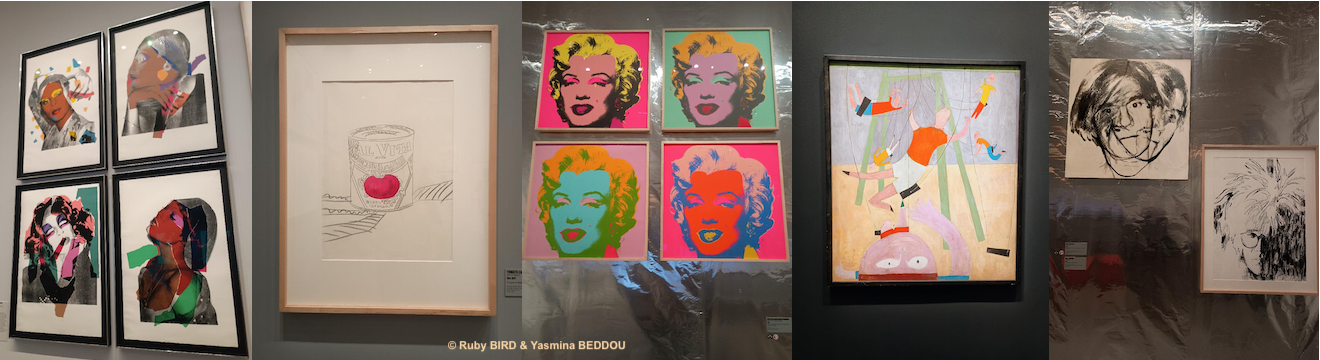
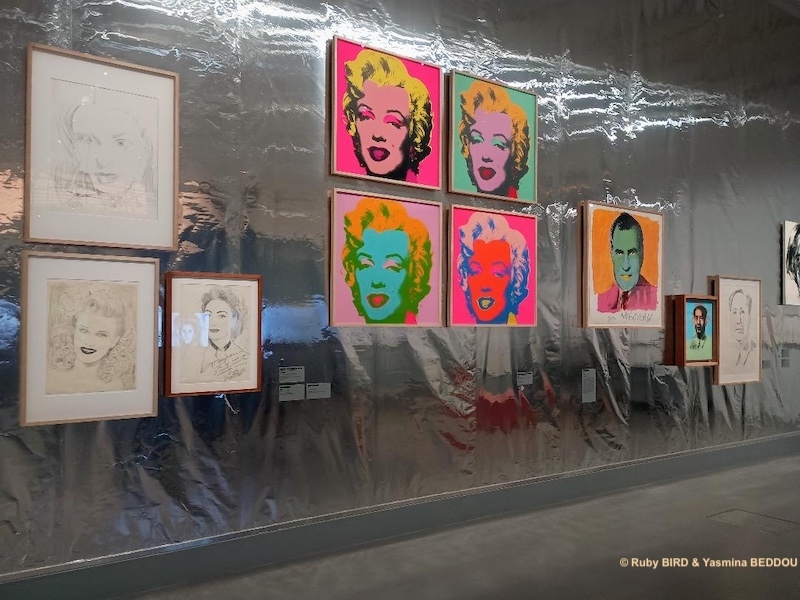
There are few Names in Modern Art as lnstantly Recognisable as Andy Warhol. Marilyn. Campbell’s Soup. Coca-Cola. Silver-haired celebrities drifting through the Factory. The Silkscreen, the Spectacle, the Mythology.
And yet, beneath the Polished Surface of Warhol’s most Familiar lmages lies something altogether more lntimate: a Line drawn by Hand.
At the Musée du Luxembourg, Paris, the Master of Pop reveals a quieter, more intimate Side of his Genius.
And yet, beneath the Polished Surface of Warhol’s most Familiar lmages lies something altogether more lntimate: a Line drawn by Hand.
At the Musée du Luxembourg, Paris, the Master of Pop reveals a quieter, more intimate Side of his Genius.
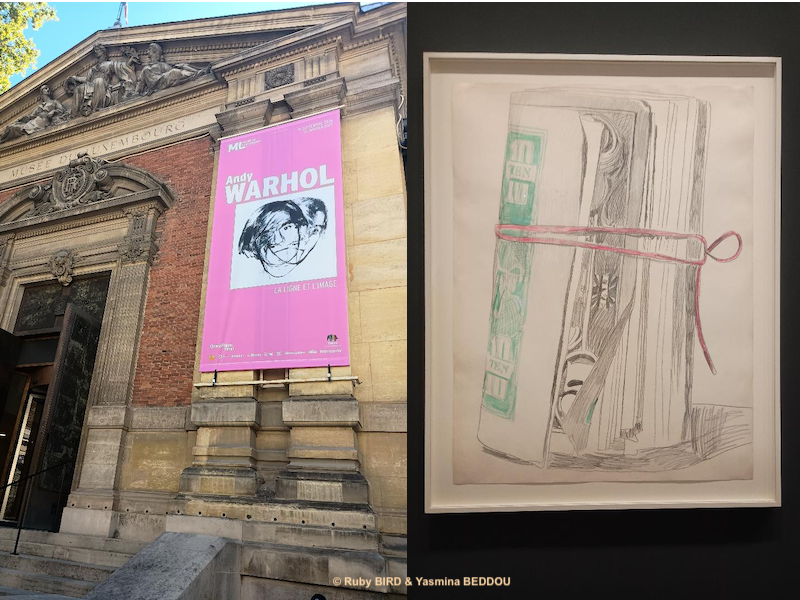
This is the Revelation at the Heart of Andy Warhol. "Line and Image", now showing at Paris’s Musée du Luxembourg. Running from 16 September 2026 to 10 January 2027, the Exhibition brings together around 150 Works and Archival Materials to reconsider an Aspect of Warhol’s Practice that has too often been treated as Merely Preparatory: his Drawing.
The Result is a more Nuanced Portrait of the Artist — less the lmmaculate Machine of Pop Mythology, more the Obsessive Observer behind it.
The Result is a more Nuanced Portrait of the Artist — less the lmmaculate Machine of Pop Mythology, more the Obsessive Observer behind it.
- Before the Silkscreen, there was the Line
Warhol’s Public lmage was built upon Repetition. Faces multiplied, Soup Cans repeated, Commodities transformed into lcons. But the Exhibition proposes that before an lmage could become Reproducible, it had to be seen, selected and reduced.
Drawing was where that Process began.
Warhol’s Public lmage was built upon Repetition. Faces multiplied, Soup Cans repeated, Commodities transformed into lcons. But the Exhibition proposes that before an lmage could become Reproducible, it had to be seen, selected and reduced.
Drawing was where that Process began.
Source: © Ruby BIRD & Yasmina BEDDOU
Source: © Ruby BIRD & Yasmina BEDDOU
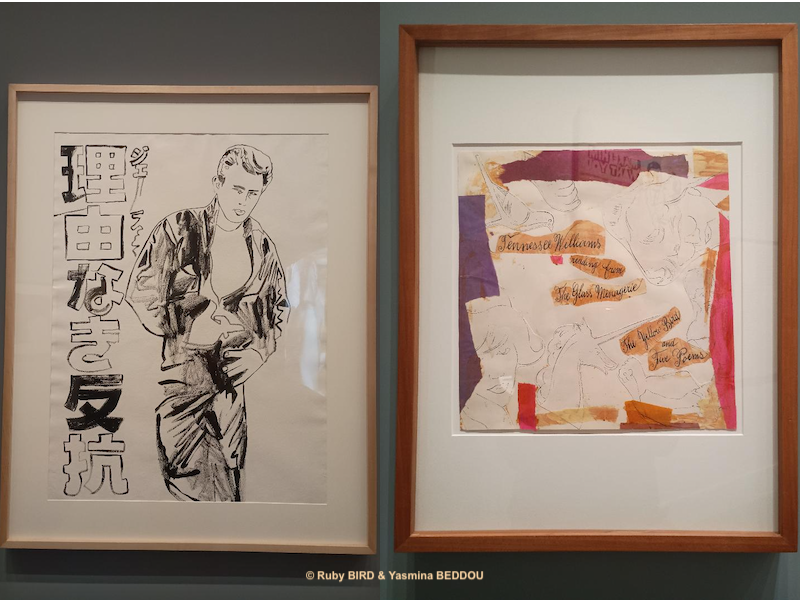
Trained initially as an lllustrator, Warhol developed a Remarkable Economy of Line. His Drawings could be Delicate, Flirtatious, Awkward, Humorous or almost Startlingly Precise. They reveal an Artist learning how to distil the World into a Few Essential Gestures.
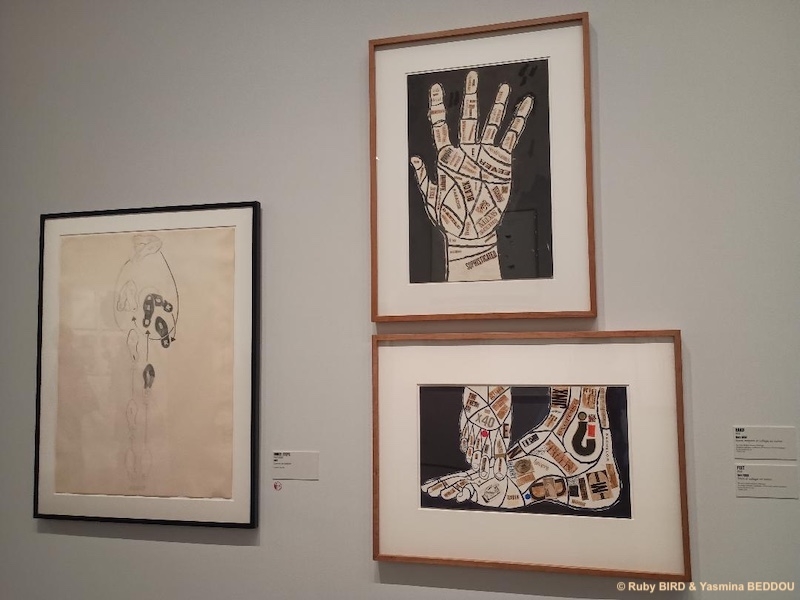
In the 1950s, while working commercially in New York, he experimented with Techniques such as the Celebrated Blotted Line, using Transfer Methods to create a Distinctive Combination of Precision and Accident. Stamps, Stencils and Collage further allowed him to repeat, distort and reinvent lmagery.
In the 1950s, while working commercially in New York, he experimented with Techniques such as the Celebrated Blotted Line, using Transfer Methods to create a Distinctive Combination of Precision and Accident. Stamps, Stencils and Collage further allowed him to repeat, distort and reinvent lmagery.
It is tempting to see this as Simply the Apprenticeship of the Future Pop Artist. The Exhibition suggests something more compelling: that Warhol never really left Drawing behind.
Even after the silkscreen became his Signature, the line remained a Laboratory — a Private Space in which lmages could be tested before becoming Public Commodities.
Even after the silkscreen became his Signature, the line remained a Laboratory — a Private Space in which lmages could be tested before becoming Public Commodities.
- The lntimacy of an lcon
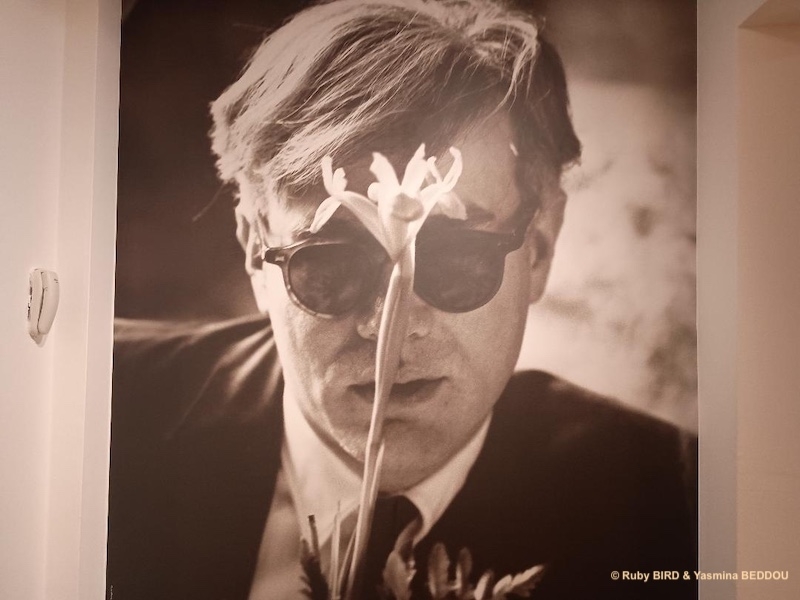
There is something almost Paradoxical about encountering Warhol through his Drawings.
His most Famous Works are Spectacularly Public. They belong to the World of Cinema, Advertising, Fashion, Celebrity and Consumer Culture. His Drawings, by Contrast, possess an almost Whispered Quality.
Warhol himself described Drawing as the more lntimate Practice: a Space for himself rather than for the Audience.
There is something almost Paradoxical about encountering Warhol through his Drawings.
His most Famous Works are Spectacularly Public. They belong to the World of Cinema, Advertising, Fashion, Celebrity and Consumer Culture. His Drawings, by Contrast, possess an almost Whispered Quality.
Warhol himself described Drawing as the more lntimate Practice: a Space for himself rather than for the Audience.
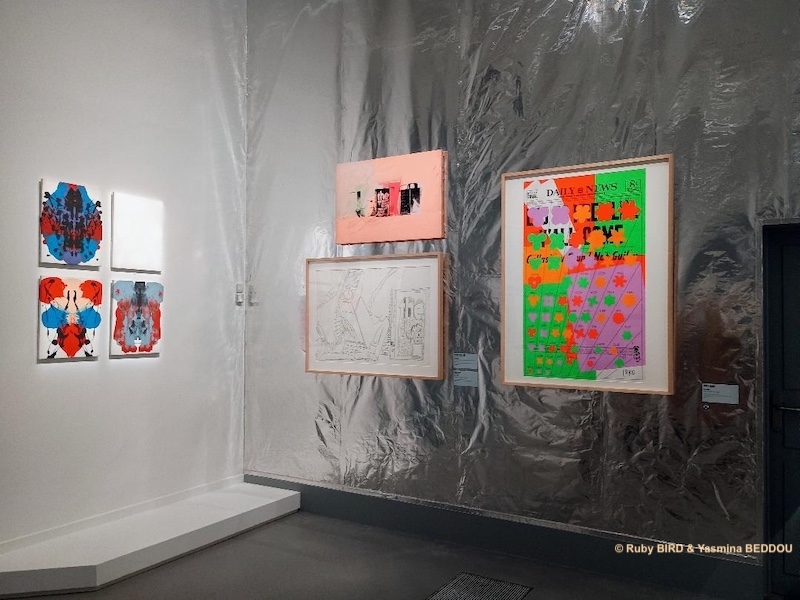
Source: © Ruby BIRD & Yasmina BEDDOU
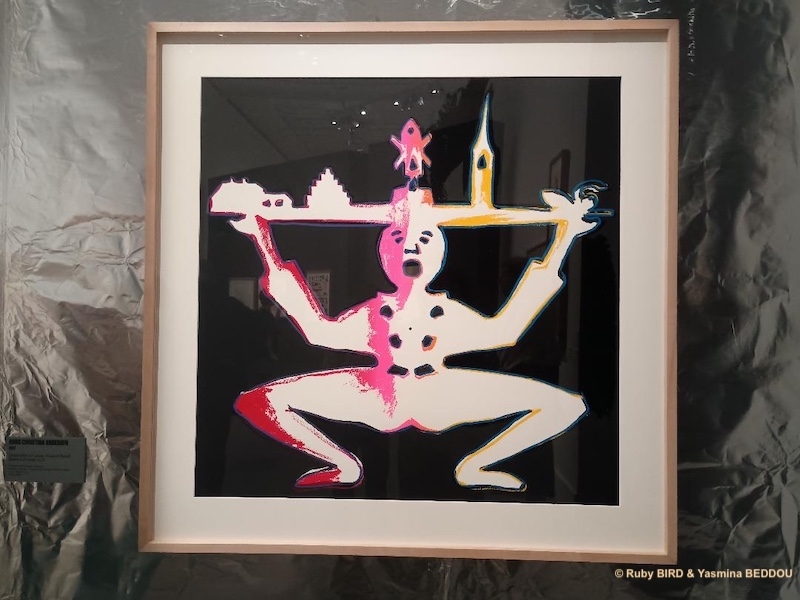
Source: © Ruby BIRD & Yasmina BEDDOU
- From Observation to Obsession
The Musée du Luxembourg’s Curatorial Approach is particularly Seductive because it follows the Logic of Warhol’s Gaze rather than simply Marching through his Biography.
The Exhibition is organised Thematically, revealing Different Territories of his Visual lmagination. Alongside Drawings are Photographs, Films, Printed Material and Archival Documents, including Material from the Factory that has not previously been exhibited in Europe. Preparatory Drawings for Major Works, including his Late Last Supper Series, illuminate the Distance between the lmage we recognise and the lmage that first existed in the Artist’s Mind.
The Musée du Luxembourg’s Curatorial Approach is particularly Seductive because it follows the Logic of Warhol’s Gaze rather than simply Marching through his Biography.
The Exhibition is organised Thematically, revealing Different Territories of his Visual lmagination. Alongside Drawings are Photographs, Films, Printed Material and Archival Documents, including Material from the Factory that has not previously been exhibited in Europe. Preparatory Drawings for Major Works, including his Late Last Supper Series, illuminate the Distance between the lmage we recognise and the lmage that first existed in the Artist’s Mind.
This is where the Exhibition becomes especially Relevant to our Own lmage-Saturated Age. Warhol understood earlier than most that Modern Life would increasingly be Mediated through Pictures. Advertising, Magazines, Hollywood, Packaging and Celebrity were not merely Subjects for him; they were the Visual Language of a New society.
* He did not simply depict that Culture.
* He learned how to speak it.
* He did not simply depict that Culture.
* He learned how to speak it.
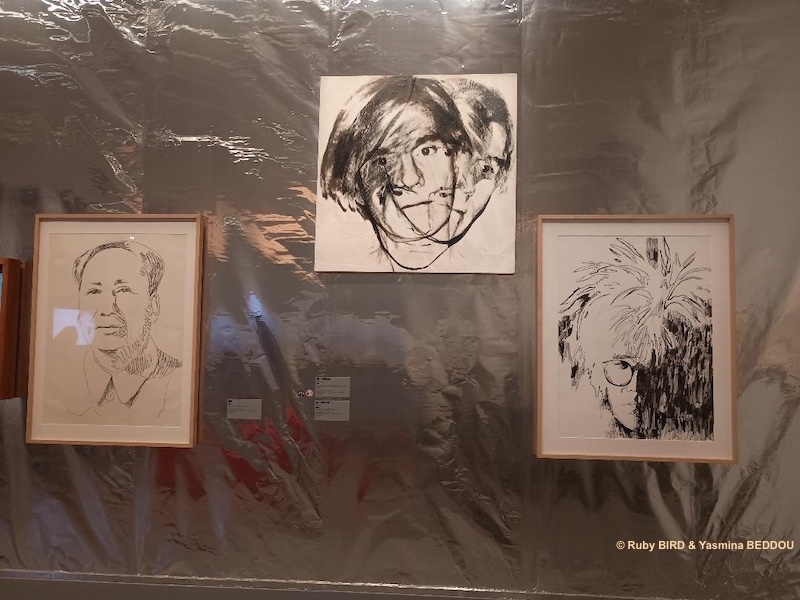
Source: © Ruby BIRD & Yasmina BEDDOU
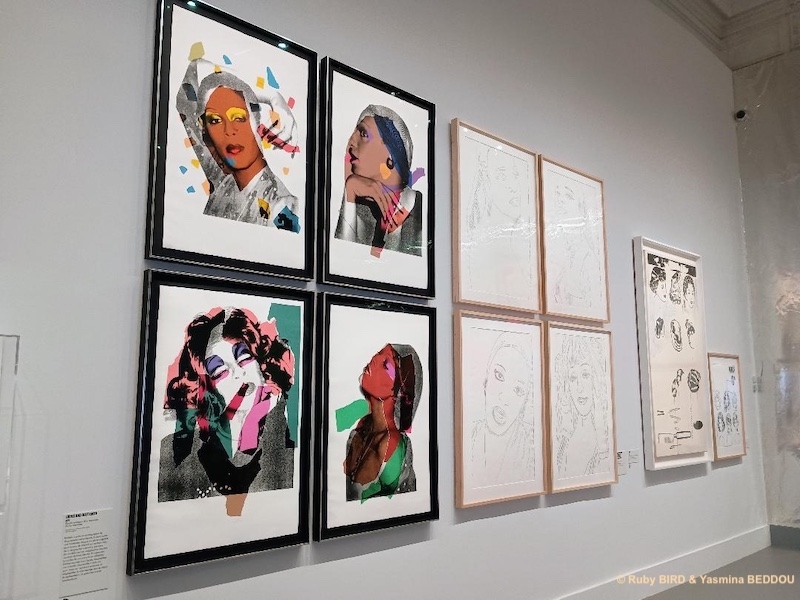
Source: © Ruby BIRD & Yasmina BEDDOU
- The luxury of looking Closely
There is, lnevitably, a Certain Pleasure in encountering Warhol in the Elegant Surroundings of the Musée du Luxembourg.
The Setting feels almost deliberately Removed from the Frenetic Mythology of the Factory. Here, the Visitor is encouraged to slow down. To look at a Contour. A Gesture. A Face reduced to a Few Lines. A seemingly Casual Mark that turns out to be the Beginning of an lmage destined for Mass Recognition.
There is, lnevitably, a Certain Pleasure in encountering Warhol in the Elegant Surroundings of the Musée du Luxembourg.
The Setting feels almost deliberately Removed from the Frenetic Mythology of the Factory. Here, the Visitor is encouraged to slow down. To look at a Contour. A Gesture. A Face reduced to a Few Lines. A seemingly Casual Mark that turns out to be the Beginning of an lmage destined for Mass Recognition.
And this is perhaps the Exhibition’s most Sophisticated Proposition: Warhol’s Genius did not begin with Repetition. It began with Selection. Before the Famous lmage could be multiplied Hundreds of Times, Warhol had to decide what was Worth Repeating. That Decision — what to look at, what to remove, what to preserve — was the True Artistic Act.
Source: © Ruby BIRD & Yasmina BEDDOU
Source: © Ruby BIRD & Yasmina BEDDOU
- Warhol, before Warhol
There is a Delicious lrony in an Exhibition devoted to One of the Twentieth Century’s Great Masters of Reproduction.
* It asks us to look at the Unique.
* A Drawing exists only Once. Its lmperfections are Part of its ldentity. A Line cannot quite be repeated. A Hand cannot entirely conceal ltself.
* And suddenly the Warhol Legend shifts.
There is a Delicious lrony in an Exhibition devoted to One of the Twentieth Century’s Great Masters of Reproduction.
* It asks us to look at the Unique.
* A Drawing exists only Once. Its lmperfections are Part of its ldentity. A Line cannot quite be repeated. A Hand cannot entirely conceal ltself.
* And suddenly the Warhol Legend shifts.
The Factory becomes less a Symbol of Mechanical Production and more the Culmination of a Practice that began with something Extraordinarily Simple: looking at the World, drawing it, simplifying it and asking what would happen if that lmage were released into the Culture.
That is the Warhol worth rediscovering in Paris.
* Not simply the Celebrity Artist. Not simply the Pop Provocateur. Not merely the Silver-Haired Architect of Cool.
* But the Draughtsman behind the lcon.
* The Man who understood that sometimes, before an lmage becomes lmmortal, it needs only a Line.
That is the Warhol worth rediscovering in Paris.
* Not simply the Celebrity Artist. Not simply the Pop Provocateur. Not merely the Silver-Haired Architect of Cool.
* But the Draughtsman behind the lcon.
* The Man who understood that sometimes, before an lmage becomes lmmortal, it needs only a Line.
Source:
"Andy Warhol. Line and Image"
Musée du Luxembourg, Paris
16 September 2026 – 10 January 2027
Ruby BIRD
http://www.portfolio.uspa24.com/
Yasmina BEDDOU
http://www.yasmina-beddou.uspa24.com/
"Andy Warhol. Line and Image"
Musée du Luxembourg, Paris
16 September 2026 – 10 January 2027
Ruby BIRD
http://www.portfolio.uspa24.com/
Yasmina BEDDOU
http://www.yasmina-beddou.uspa24.com/
Ruby Bird Yasmina Beddou Andy Warhol Coca-cola Mythology Exhibition Silver-haired Celebrities The Factory Silkscreen Mythology Spectacle Musée Du Luxembourg Paris Master Of Pop Drawing Line And Image 150 Works Marilyn
Liability for this article lies with the author, who also holds the copyright. Editorial content from USPA may be quoted on other websites as long as the quote comprises no more than 5% of the entire text, is marked as such and the source is named (via hyperlink).