
Arts
Jago, the New Michelangelo
The Jago Museum Naples Italy
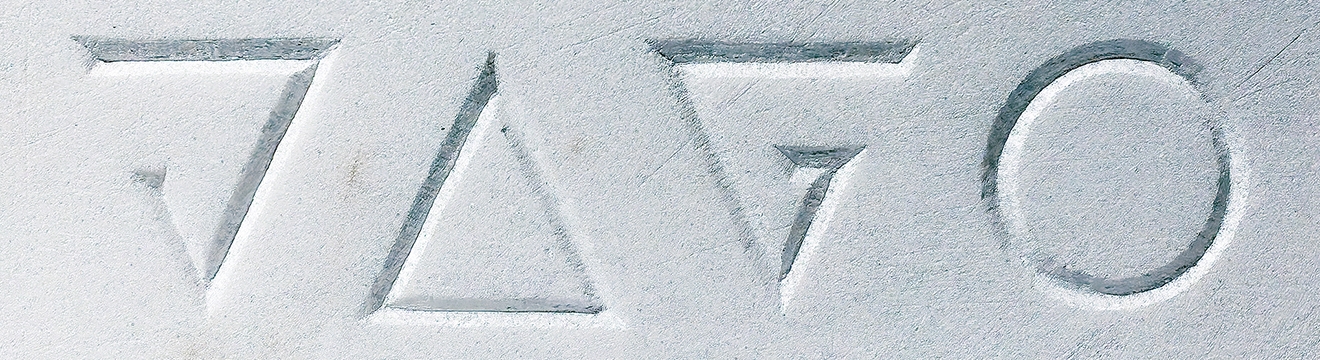
The Jago Museum Naples Italy (Source: Roberto Magni Daniela Comi By Foto ReD Agency)
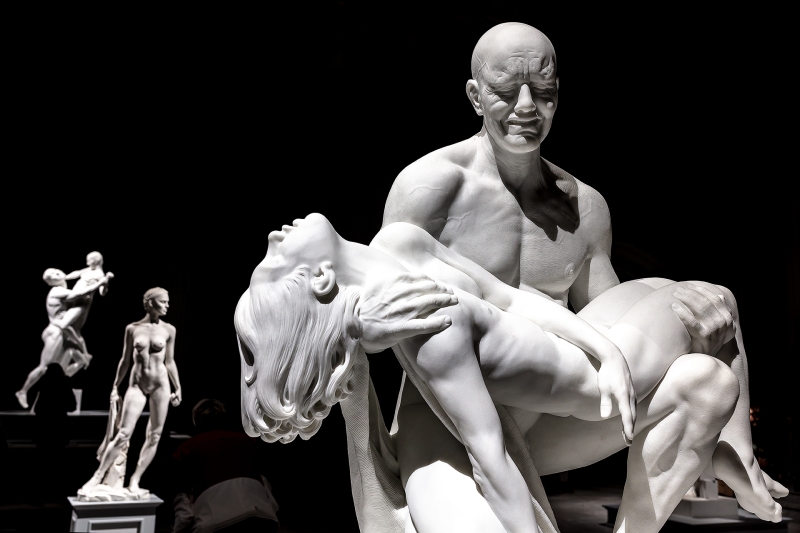
The Jago Museum Naples Italy
(Source: Roberto Magni Daniela Comi By Foto ReD Agency)
(Source: Roberto Magni Daniela Comi By Foto ReD Agency)
At Foto ReD Photographic Agency, we had the privilege of closely documenting the works of one of the most influential and visionary artists on the contemporary scene: Jago, often described as “the new Michelangelo.” Photographing his sculptures inside the Jago Museum in Naples was not just a professional assignment, but an immersive journey into the heart of modern sculpture, where tradition intertwines with the sensibilities of our time and matter seems to vibrate with life.
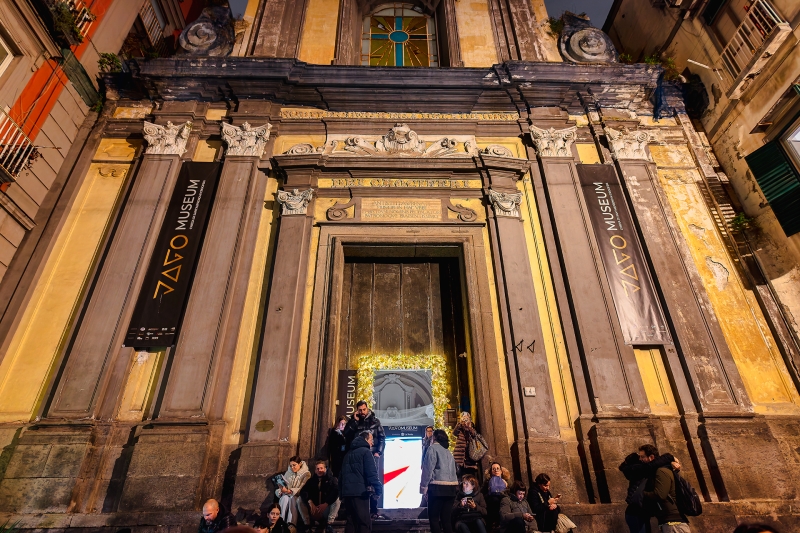
The Jago Museum Naples Italy
Source: Roberto Magni Daniela Comi By Foto ReD Agency
Source: Roberto Magni Daniela Comi By Foto ReD Agency
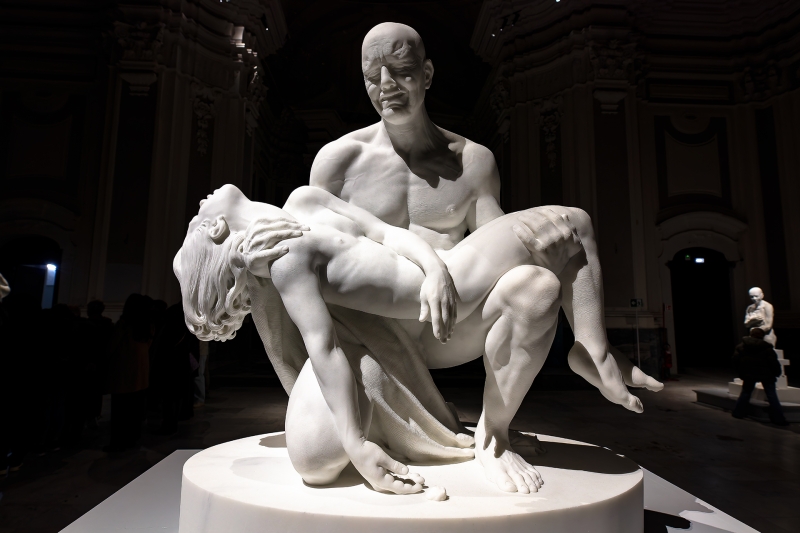
The Jago Museum Naples Italy
Source: Roberto Magni Daniela Comi By Foto ReD Agency
Source: Roberto Magni Daniela Comi By Foto ReD Agency
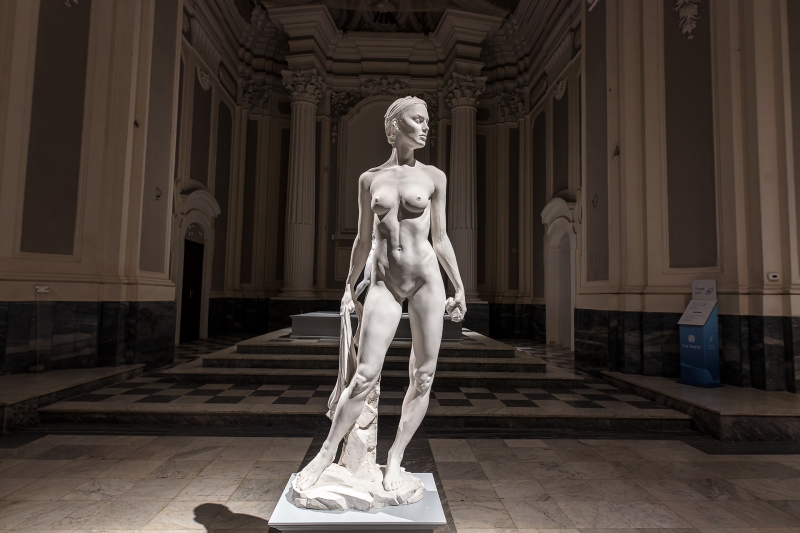
The Jago Museum Naples Italy
Source: Roberto Magni Daniela Comi By Foto ReD Agency
Source: Roberto Magni Daniela Comi By Foto ReD Agency
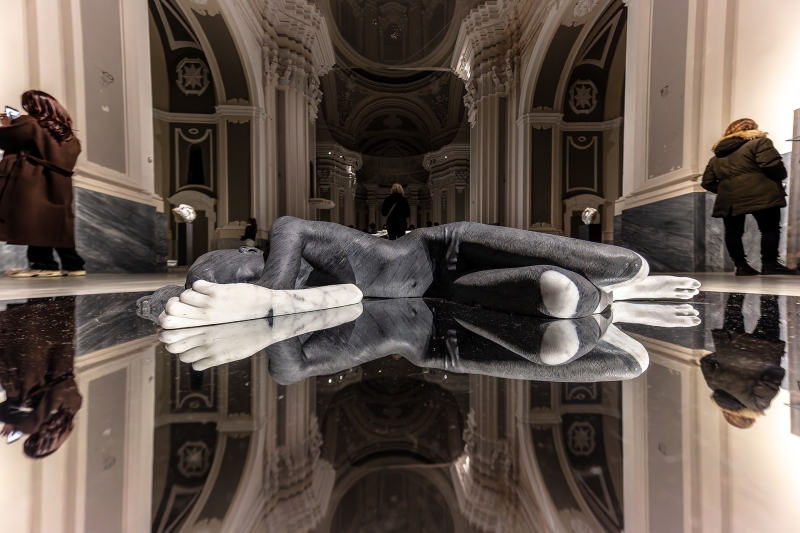
The Jago Museum Naples Italy
Source: Roberto Magni Daniela Comi By Foto ReD Agency
Source: Roberto Magni Daniela Comi By Foto ReD Agency
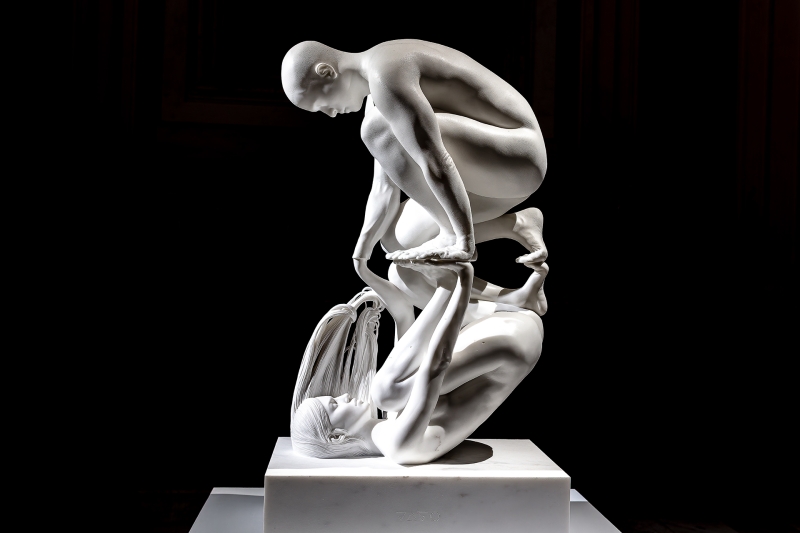
The Jago Museum Naples Italy
Source: Roberto Magni Daniela Comi By Foto ReD Agency
Source: Roberto Magni Daniela Comi By Foto ReD Agency
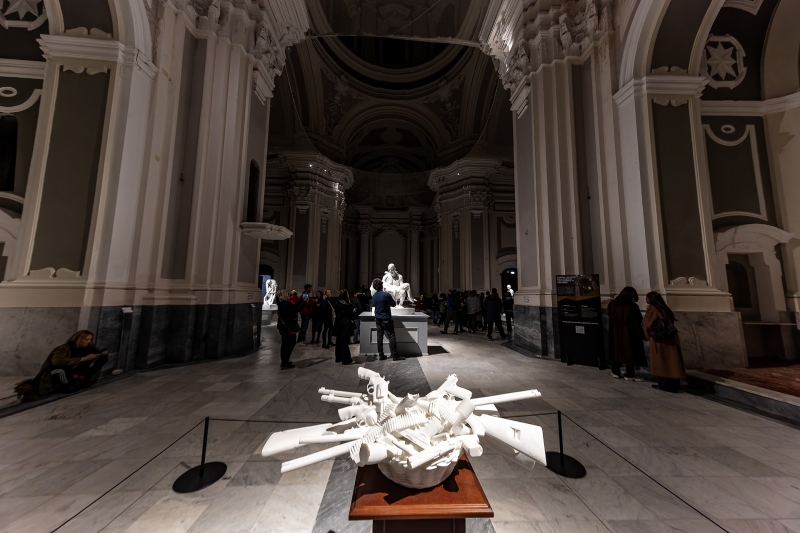
The Jago Museum Naples Italy
Source: Roberto Magni Daniela Comi By Foto ReD Agency
Source: Roberto Magni Daniela Comi By Foto ReD Agency
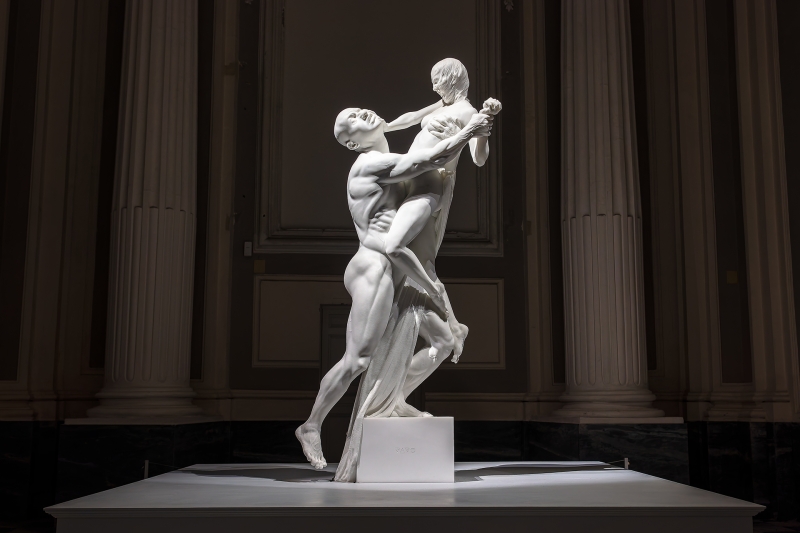
The Jago Museum Naples Italy
Source: Roberto Magni Daniela Comi By Foto ReD Agency
Source: Roberto Magni Daniela Comi By Foto ReD Agency
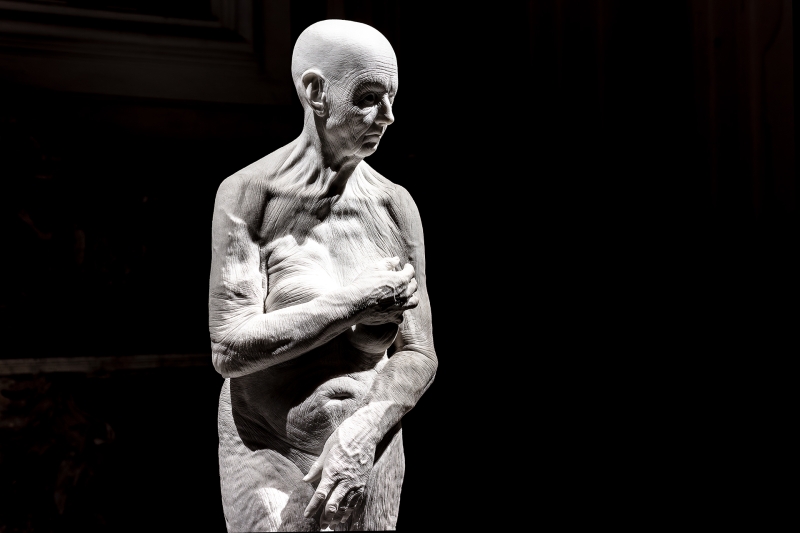
The Jago Museum Naples Italy
Source: Roberto Magni Daniela Comi By Foto ReD Agency
Source: Roberto Magni Daniela Comi By Foto ReD Agency
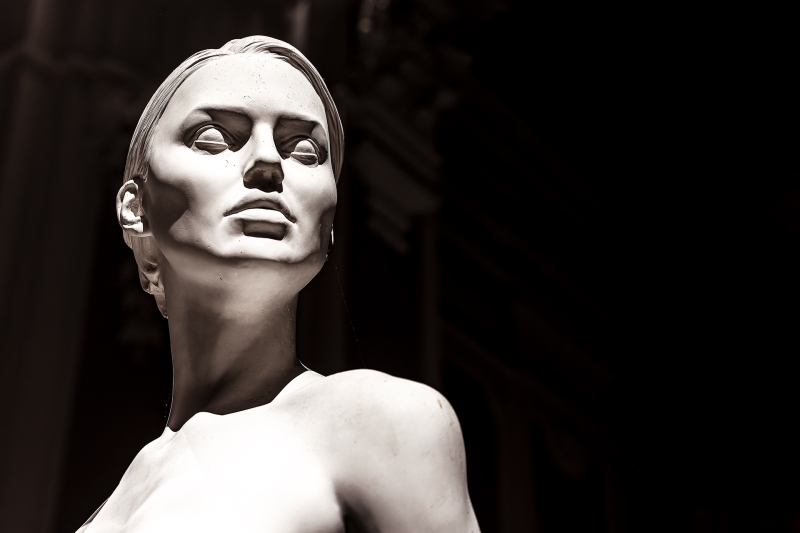
The Jago Museum Naples Italy
Source: Roberto Magni Daniela Comi By Foto ReD Agency
Source: Roberto Magni Daniela Comi By Foto ReD Agency
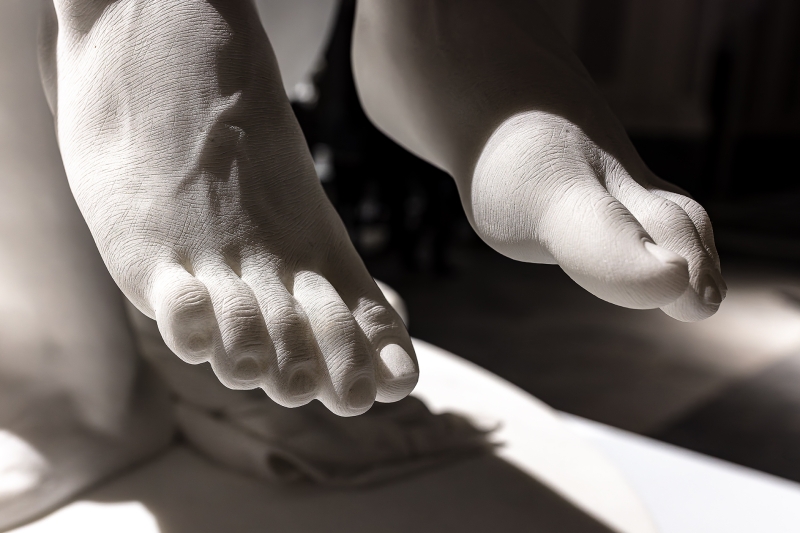
The Jago Museum Naples Italy
Source: Roberto Magni Daniela Comi By Foto ReD Agency
Source: Roberto Magni Daniela Comi By Foto ReD Agency
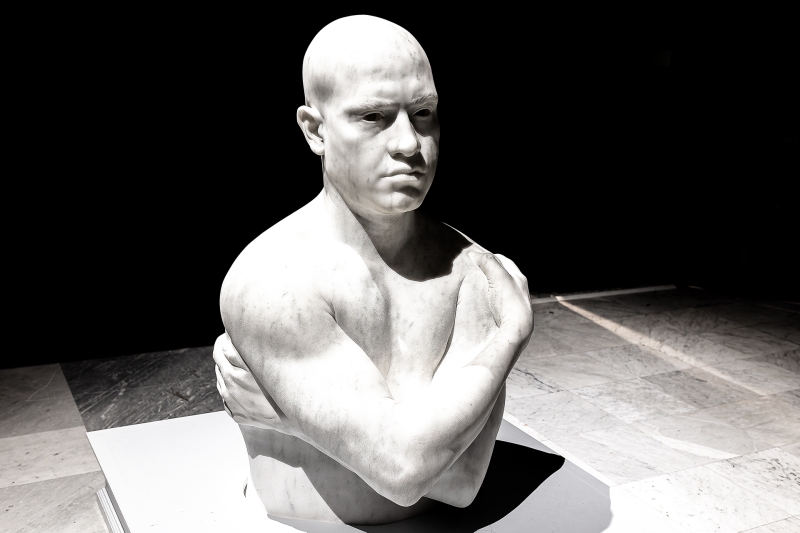
Self-portrait sculpture by Jago.
Source: Roberto Magni Daniela Comi By Foto ReD Agency
Source: Roberto Magni Daniela Comi By Foto ReD Agency
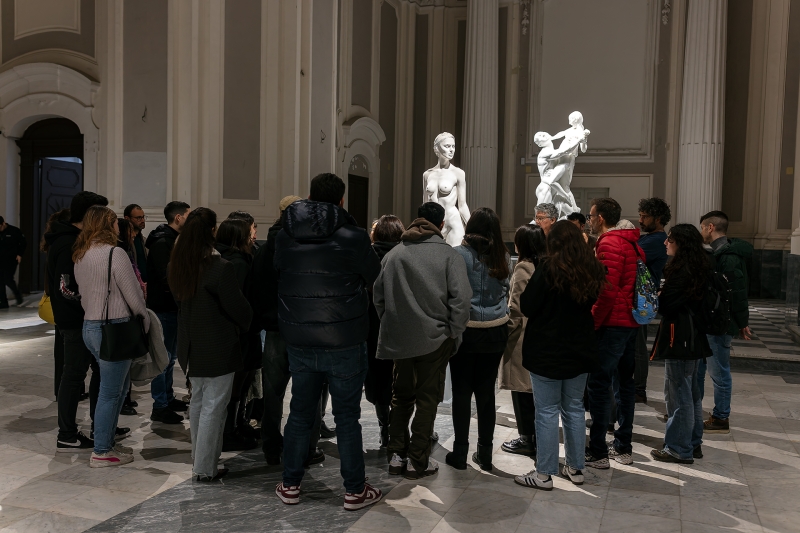
The Jago Museum Naples Italy
Source: Roberto Magni Daniela Comi By Foto ReD Agency
Source: Roberto Magni Daniela Comi By Foto ReD Agency
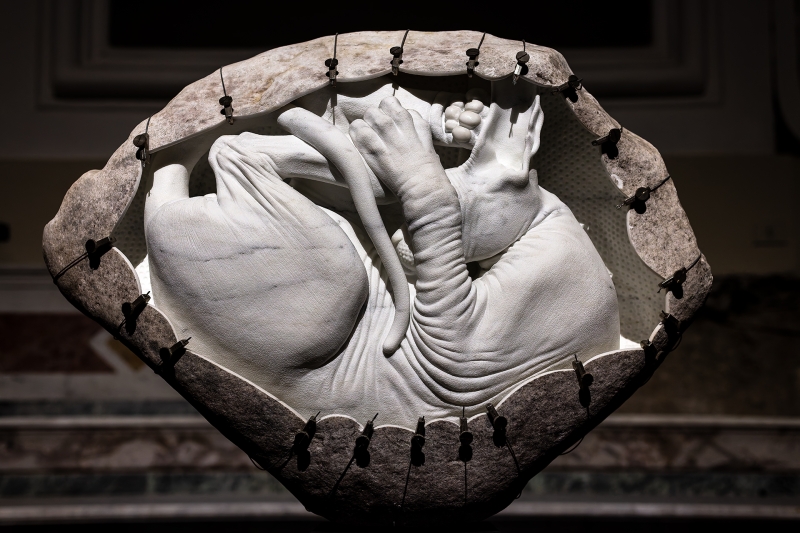
The Jago Museum Naples Italy
Source: Roberto Magni Daniela Comi By Foto ReD Photographic Agency
Source: Roberto Magni Daniela Comi By Foto ReD Photographic Agency
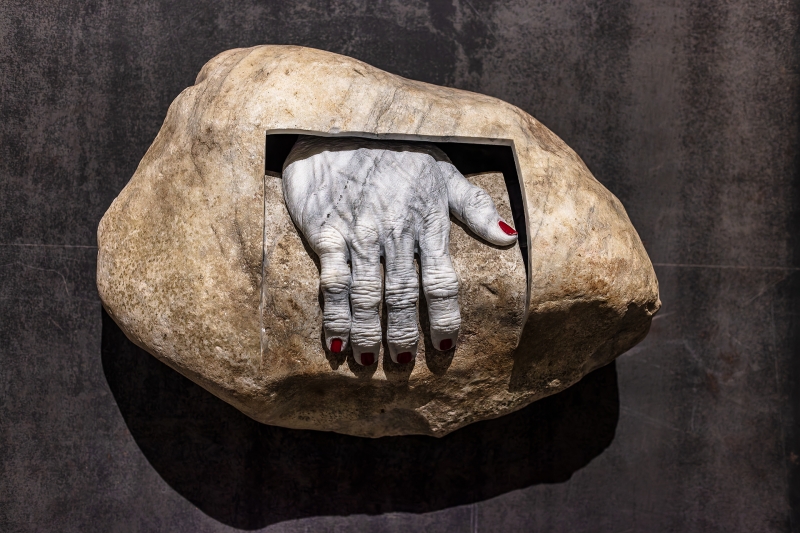
The Jago Museum Naples Italy
Source: Roberto Magni Daniela Comi By Foto ReD Photographic Agency
Source: Roberto Magni Daniela Comi By Foto ReD Photographic Agency
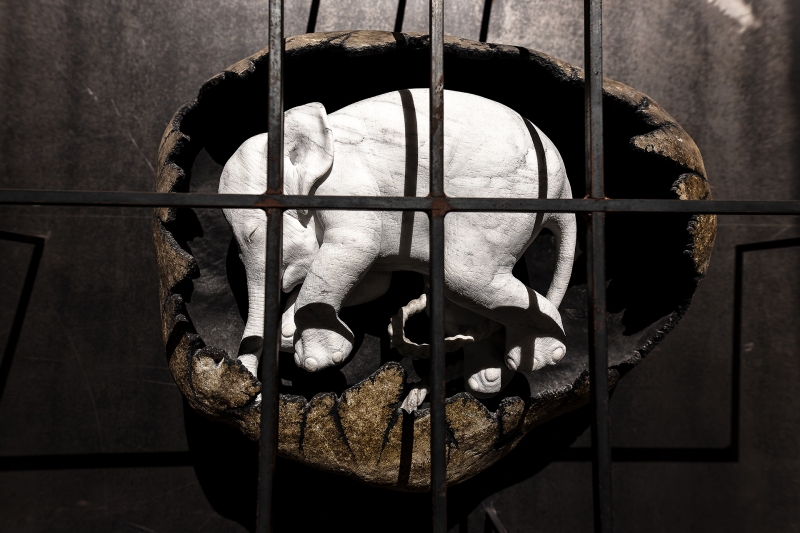
The Jago Museum Naples Italy
Source: Roberto Magni Daniela Comi By Foto ReD Photographic Agency
Source: Roberto Magni Daniela Comi By Foto ReD Photographic Agency
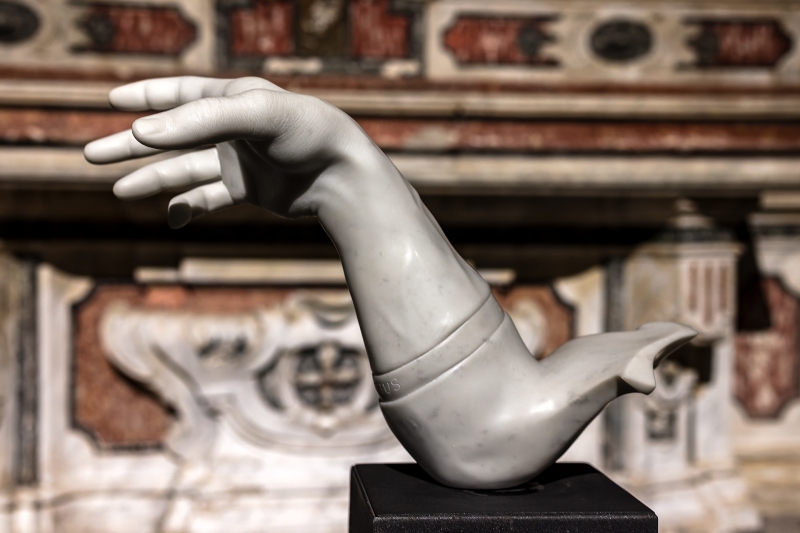
The Jago Museum Naples Italy
Source: Roberto Magni Daniela Comi By Foto ReD Photographic Agency
Source: Roberto Magni Daniela Comi By Foto ReD Photographic Agency
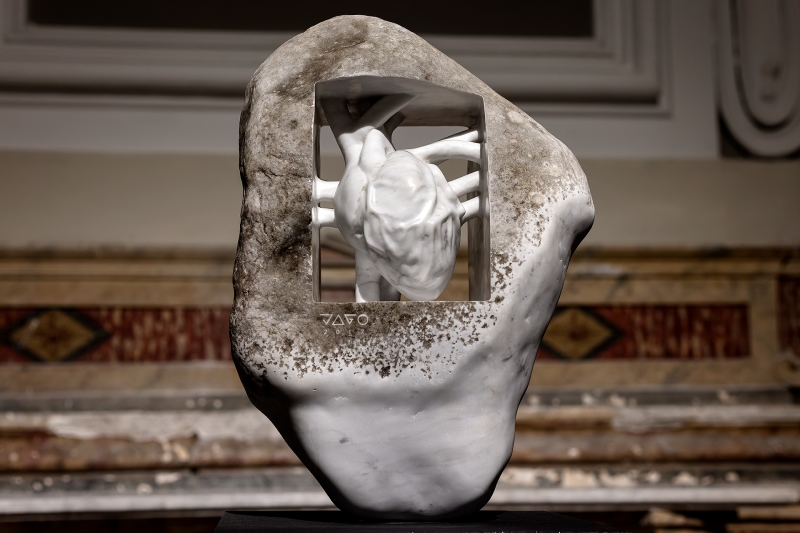
The Jago Museum Naples Italy
Source: Roberto Magni Daniela Comi By Foto ReD Photographic Agency
Source: Roberto Magni Daniela Comi By Foto ReD Photographic Agency
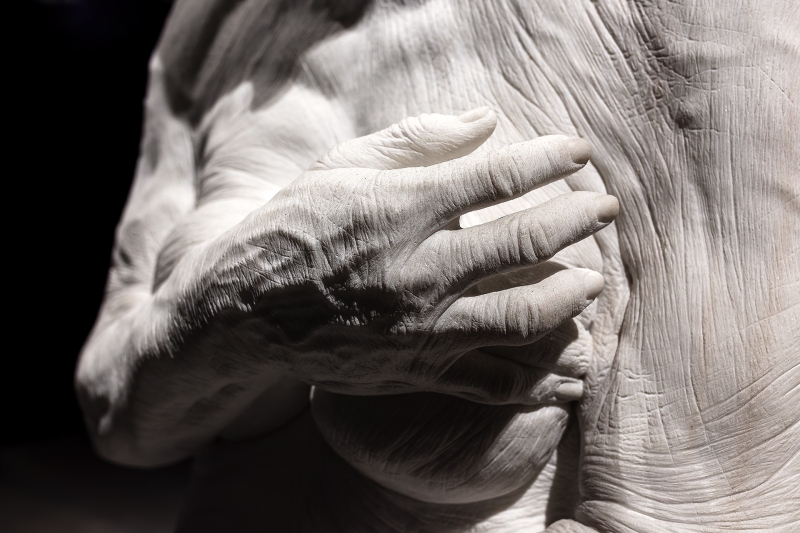
The Jago Museum Naples Italy
Source: Roberto Magni Daniela Comi By Foto ReD Photographic Agency
Source: Roberto Magni Daniela Comi By Foto ReD Photographic Agency
more information: https://www.redmagazine.red
Liability for this article lies with the author, who also holds the copyright. Editorial content from USPA may be quoted on other websites as long as the quote comprises no more than 5% of the entire text, is marked as such and the source is named (via hyperlink).